

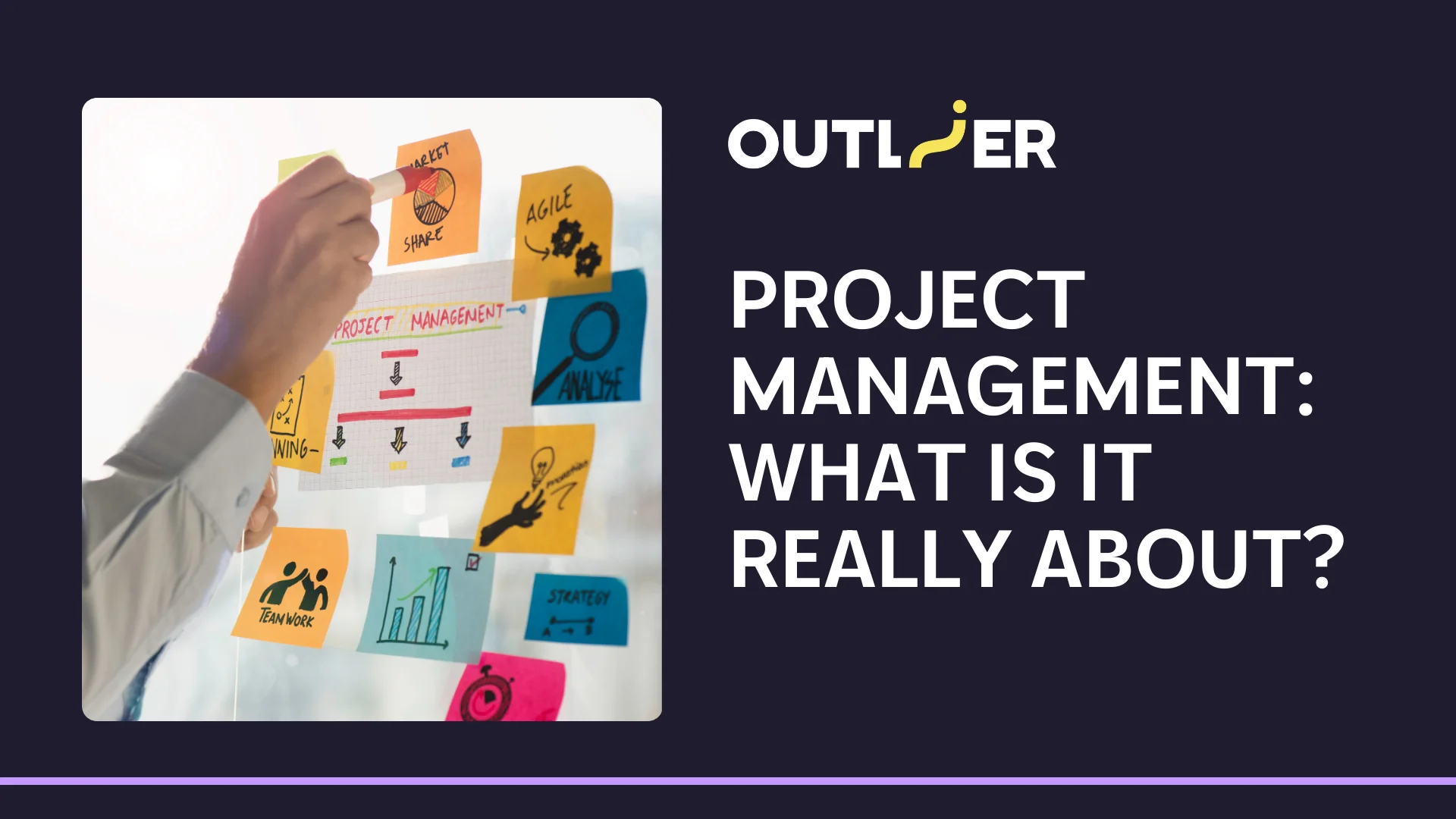
When people hear “project management,” the first thing that often comes to mind is Gantt charts, task trackers, or endless status meetings. But project management is more than tools and templates, it’s about making sure ideas don’t just stay ideas. It’s about turning intent into something tangible that delivers value.
If you’ve ever searched “project management what is” online, chances are you’ve seen dozens of textbook-style definitions. Most describe it as “the process of planning, executing, and closing projects to meet goals within time, scope, and budget.” That’s technically true but in practice, project management is about people, clarity, and momentum.
Let’s unpack what project management really is, why it matters, and what you should know if you’re leading or working within projects today.
What Is Project Management?
At its core, project management is about making sure work gets done effectively and purposefully. It provides a structured way of organising resources, timelines, and goals so that teams can deliver outcomes.
But here’s the catch: projects rarely go exactly as planned. That’s why project management isn’t just about writing plans, it’s about adapting when things change. Good project managers aren’t traffic cops; they’re sensemakers, helping teams stay aligned and moving forward even when the unexpected happens.
Why Project Management Matters
Why do organisations invest so heavily in project management? Because without it, even the best ideas fall apart.
Here are some of the reasons project management is so critical:
1. Clarity in Complexity
Projects often involve multiple stakeholders, competing priorities, and shifting expectations. Project management brings clarity by aligning everyone to a shared outcome.
2. Efficient Use of Resources
Time, money, and people are always limited. A structured approach ensures resources are used where they matter most.
3. Risk Management
Every project has risks from budget blowouts to stakeholder resistance. Project management provides frameworks to identify, monitor, and mitigate them.
4. Driving Change
Most projects are about change new systems, new processes, or new ways of working. Project management ensures that change is delivered and embedded, not just announced.
The Core Elements of Project Management
If you’re new to the field or trying to understand what project managers actually do, here are the main elements:
- Initiation – Defining why the project exists and what it’s meant to achieve.
- Planning – Outlining scope, timelines, resources, and risks.
- Execution – Coordinating tasks, leading the team, and driving delivery.
- Monitoring & Control – Tracking progress, adjusting as needed, and making sure the project stays on track.
- Closure – Wrapping up, reviewing lessons learned, and transitioning outcomes to business-as-usual.
It sounds linear, but in reality, these phases often overlap and loop back, especially in complex or agile environments.
Project Management Methodologies
Another question people often ask is: “Do I need a specific methodology?”
The short answer: methodologies are helpful, but they’re not the whole story. Some of the most common are:
- Waterfall: A structured, sequential approach. Best for projects with clear, stable requirements.
- Agile: An iterative, adaptive approach. Best for environments where requirements evolve quickly.
- Hybrid: A mix of both, tailored to the project’s needs.
The real skill lies in knowing how to apply these methods in real-world conditions. No methodology can replace good judgment and leadership.
Beyond Processes: The Human Side
Here’s the part often overlooked in traditional definitions: project management is mostly about people.
A strong project manager:
- Builds trust among stakeholders.
- Navigates conflict without derailing momentum.
- Communicates in a way that cuts through complexity.
- Keeps teams motivated even when the pressure is high.
At The Outlier Group, we often say: “Clarity is not the same as certainty.” You don’t always need to know exactly what’s coming next, but you do need to help people make sense of where they are and where they’re going. That’s leadership, and it’s the heart of project management.

Project Management Today
In 2025, project management isn’t just about delivering outputs. It’s about ensuring outcomes stick. That means integrating change management into delivery, tracking benefits early (not just at the end), and building adaptability into every plan.
With hybrid work, AI tools, and rapid organisational shifts, the role of project managers is evolving. The best ones are no longer just schedulers or task managers, they’re facilitators, communicators, and leaders of change.
Final Thought
So, what is project management? It’s not just charts, logs, or frameworks. It’s the discipline and the art of helping ideas become real, guiding people through complexity, and ensuring outcomes last.
If you’re a leader, a PMO, or a project professional, the future of project management isn’t just about efficiency. It’s about clarity, adaptability, and the human side of delivery.
Because at the end of the day, projects succeed not just when they finish, but when they truly make a difference.
sign up for our newsletter
Gain priority access to our latest podcasts, how-to guides, projects and news.
Related posts
Ready to see what Outlier Group can do for your project management needs?


[…] Project management is about delivering outputs (systems, processes, services). Program management ensures those outputs combine into outcomes that align with strategy. […]